
An action tank for the democratisation of wealth
Baobabs, Flexibility and Trust: Unlocking US$1.43 Trillion for African Development
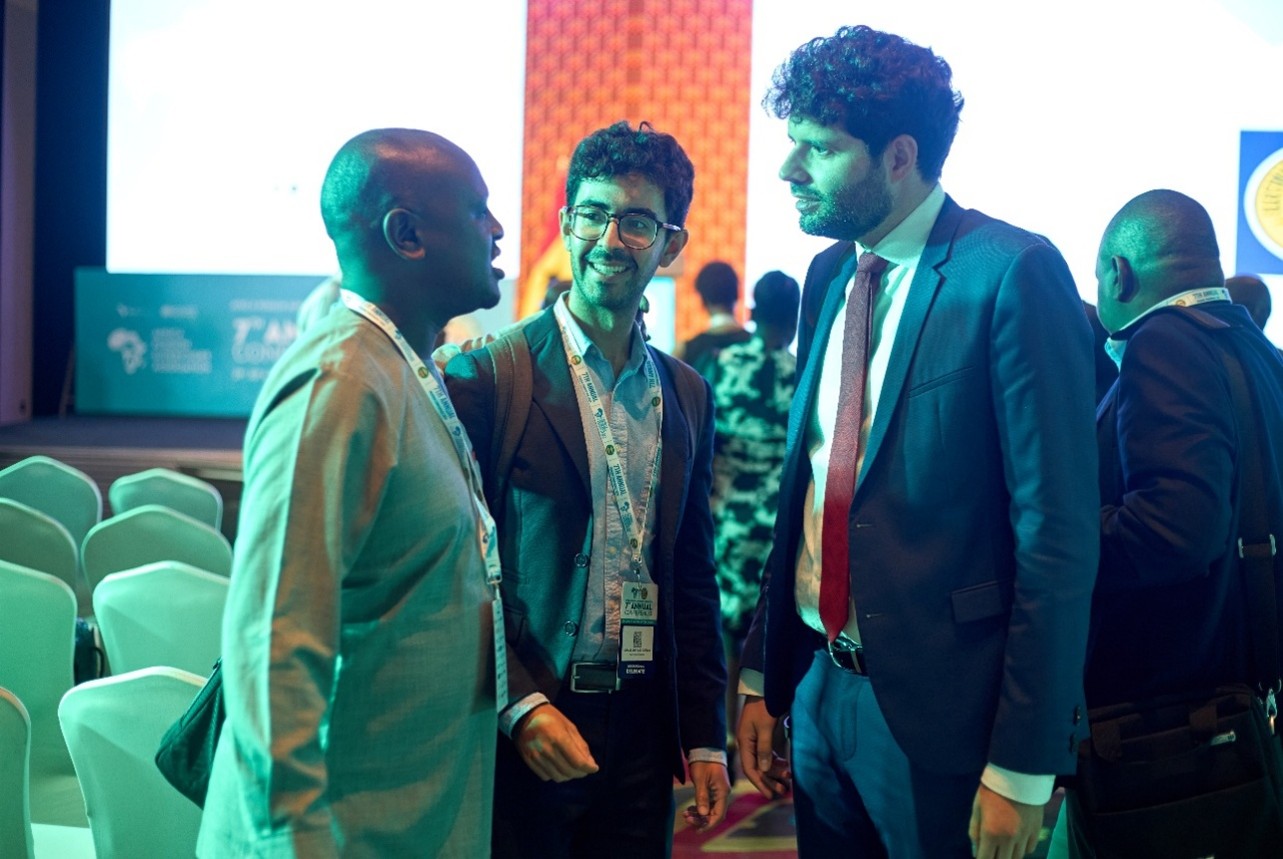
A key point of discussion at the Annual Conference of African Pension Regulators held in Ghana, 29 - 31 July 2026, attended by the Coller Pensions Institute team, was research from the African Development Bank (AfDB) suggesting that expanded and improved pension systems could help the continent to unlock up to US$1.43 trillion annually to promote development and growth.
The Baobab tree: an analogy for pension development in the region
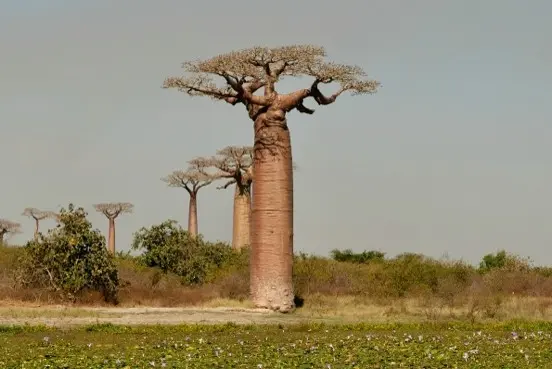
Perhaps the most compelling illustration of the critical role pension systems can play in this challenge was the analogy of the baobab tree. The tree is an iconic sub-Saharan African tree, characterised by a massive trunk, thick branches, and exceptional lifespan. It can store vast amounts of water, up to 120,000 litres, defying the desert and making it key for maintaining ecosystems in the dry African Savana.
A well-designed pension system can be understood in a similar way. First, it needs deep roots in local realities. Second, it requires a strong trunk of accumulated contributions and enough resilience to support workers when they retire and over the long-term. The point of the analogy is not only that pensions should mobilise capital, but also that they must adapt to the conditions of African economies.
Three takeaways for pensions in Africa
A recurring message from the conference was that developing pools of capital is not only a financing question, but also a question of better regulation, supervision, and the provision of a solid market infrastructure that can allocate long-term savings efficiently.
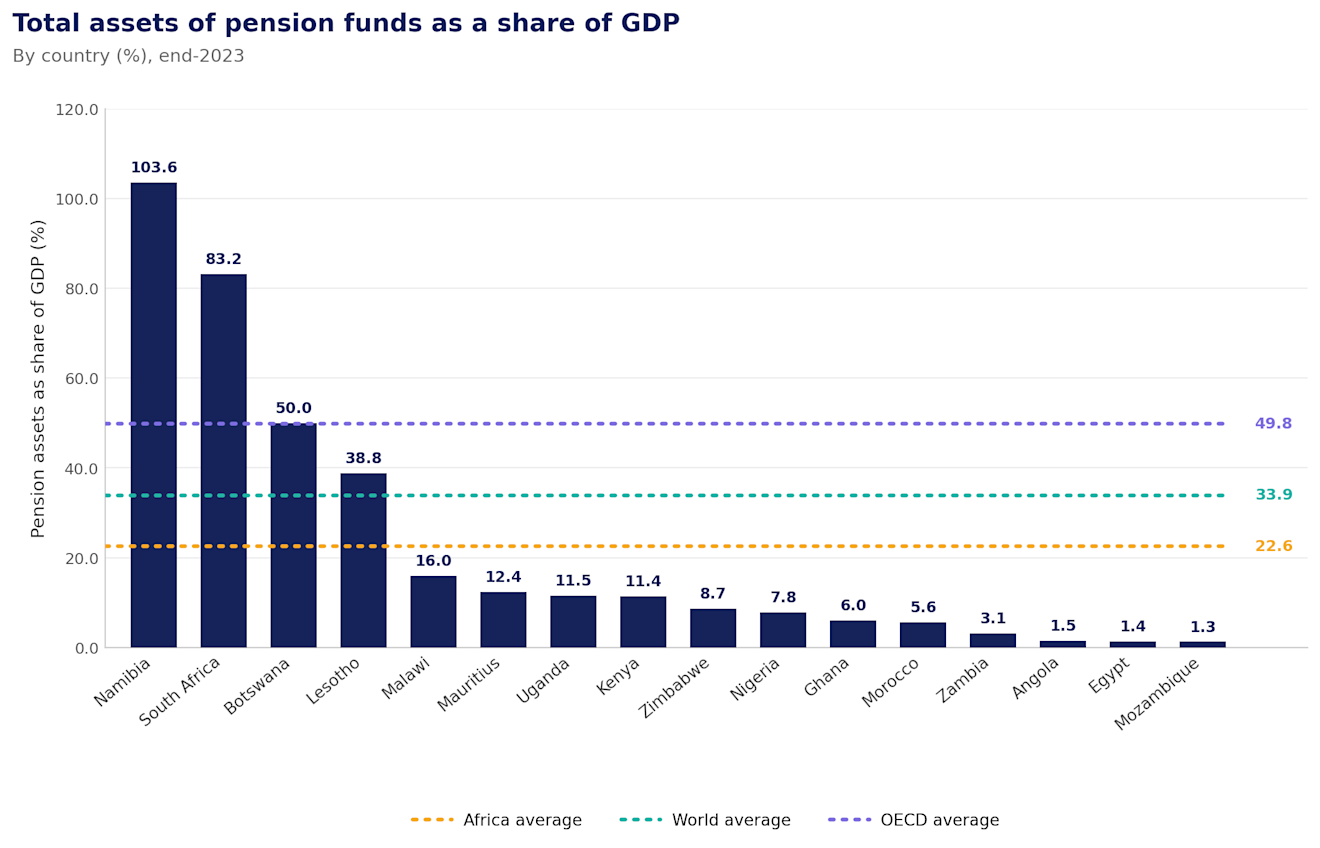
As shown in Figure 1, pension funds total assets in Africa remain relatively small as a share of GDP. However, there is growing appetite to strengthen the ecosystem through better regulation, including shifting from compliance-based to risk-based supervision, as well as through solutions that reflect the realities of informal workers.
Figure 1: Total assets of pension funds as a share of GDP
First: Informal workers cannot be treated as one single group. Effective pension inclusion requires better segmentation by sector, income patterns, occupation, and life circumstances. The breakdown of informal employment in Figure 2 illustrates this point. Across Sub-Saharan Africa, only 17.3% of informal workers are employees, while 55.9% are own-account workers (independent workers without hired employees) and 24.9% are contributing family workers (individuals who work in a business, farm, or other economic activity operated by a family member, without receiving a regular wage or salary). Southern Africa, interestingly, shows a very different composition: 62.2% of informal workers are employees. This suggests that strategies to increase pension coverage cannot assume the same enrolment channel everywhere, as well as the same contribution mechanisms. The path for effective coverage and adequacy, therefore, will look different for each type of worker, and even sector.
Figure 2: Distribution of informal and formal employment status by status in employment
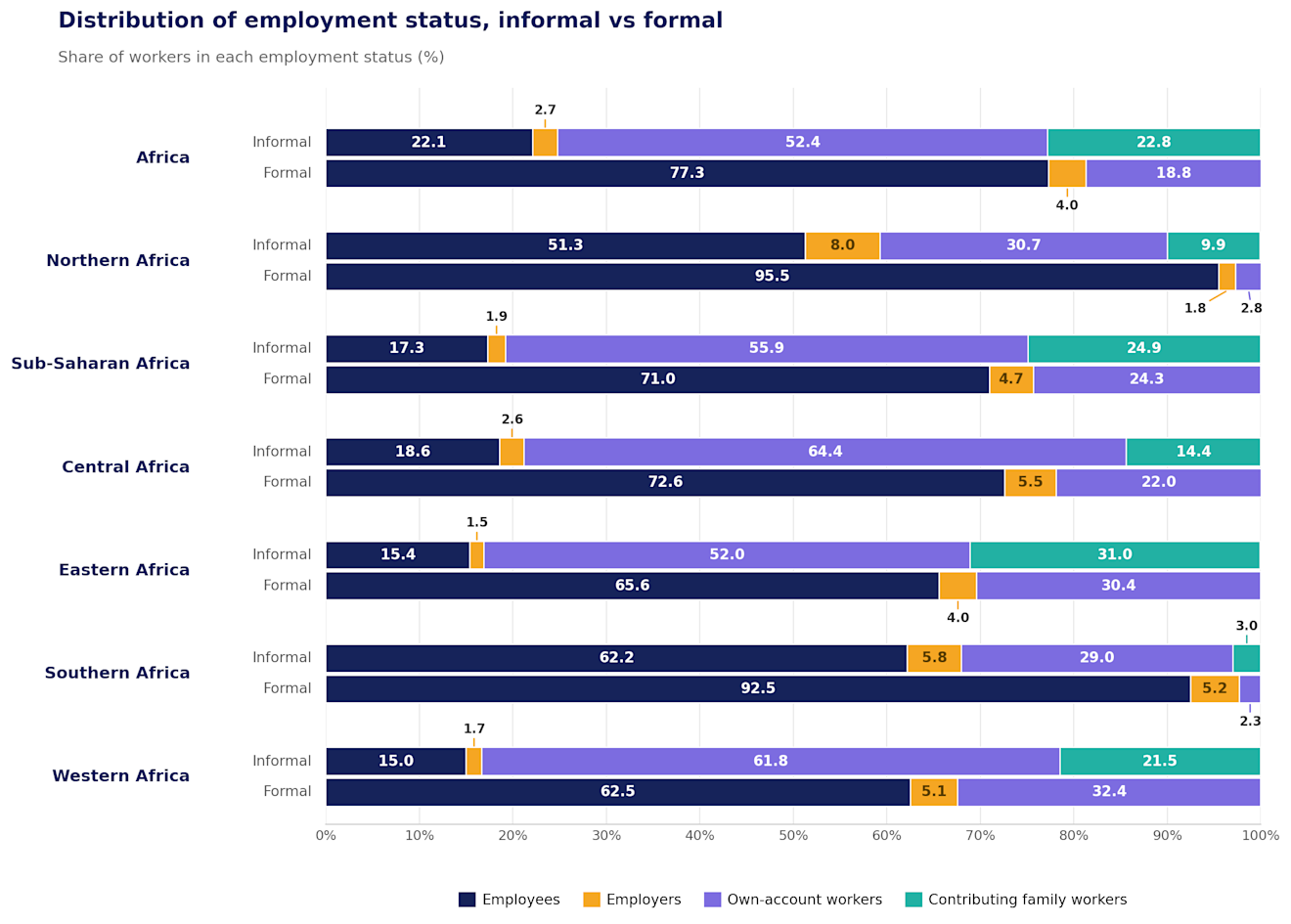
Source: Adapted from ILO’s (2023) Women and men in the informal economy: A statistical update; Figure 56.
The capacity to save is another layer of segmentation when thinking about pension systems. From a public policy perspective, savings-related strategies are not poverty alleviation interventions, meaning that households in moderate or extreme poverty need to be protected through social assistance programmes. For pension design, it becomes imperative to identify which informal households can save, how much and under what conditions. Recent work from the World Bank estimates that, across six African countries, 37% of informal sector households can save (see the full report here and a blog post here). One of our objectives at the Coller Pensions Institute is to contribute to this evidence base by expanding what we know about non-poor informal households that participate in contributory savings.
The jobs gap is also central for effective savings. Recent estimates estimate the jobs gap at 800 million in developing economies, even before the potential disruption from AI. If labour markets do not develop in a way that provide enough income-generating activities to absorb Africa’s growing workforce, the pension inclusion agenda will face a structural constraint. Therefore, developing old-age resilience requires not only good pension design, but also the ability of labour markets to support sustained contributions and build domestic pools of capital.
Second: Flexibility matters, but trust matters just as much. Digital tools, mobile money, and flexible contributions can help, but uptake depends on credible institutions, strong governance, and clear value for workers. The region has made important progress on this front, including e-KYC processes and the proliferation of digital wallets that ease access to the financial ecosystem.
However, trust in the system remains a challenge. Data from Afrobarometer for 39 countries reveals that public trust in key institutions and leaders has weakened over the past decade. Corruption concerns are also widespread, with 38% of Africans reporting that most tax officials, civil servants, and officials in the presidency are corrupt.
For pension systems, this matters because informal workers are being asked to make long-term contributions on the basis of a future promise. If institutional trust is weak, scheme design must make that promise credible and enforceable through transparency, portability, low fees, and strong supervision, among other mechanisms. Regulators know this and are working on it.
Third: Innovation should be tested locally. As the literature in development economics shows, pilots can help identify what works in practice. For pensions for informal workers specifically, this includes leveraging trusted intermediaries and cooperatives to contribution incentives, insurance-linked products, and digital enrolment models to test different strategies to increase enrolment and sustained contributions. Iterative learning and continuous feedback loops are essential for success.
The region has made progress on this front. From Rwanda’s landmark Ejo Heza to Ghana’s innovative scheme for cocoa growers, the appetite for innovation is clear. The goal is also well delimited: to mobilise domestic pools of capital through pension inclusion for informal workers that increases enrolment and sustained contributions (if you want to know more about this, read our research on incentives for informal workers here).
On the way forward
The 7th Annual Conference of Pension Regulators in Africa showed how central pensions are for the broader agenda of socio-economic development on the continent. The challenge now is to turn this momentum into practical progress. Policies that generate better segmentation of informal workers, schemes that people can trust, and the development of locally tested solutions that support both enrolment and sustained contributions.
At Coller Pensions Institute our aim is to continue supporting regulators, the private sector, and research institutions as they work to improve old-age resilience for African workers.
Written by:

Carlos Santiago Guzmán Gutiérrez
Senior Research Analyst
Sign up for news and updates
The Coller Pensions Institute is part of the Jeremy Coller Foundation